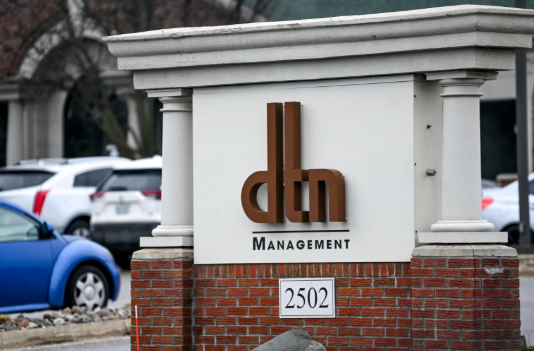
Establishing a Legacy in Greater Lansing Housing
After decades of shaping the residential landscape, DTN Management has officially been named Business of the Year at the 2016 Greater Lansing Entrepreneurial Awards. Co-founder Tom Kuschinski accepted the honor, cementing the company’s status as a dominant force in the regional real estate market. The award recognizes their extensive contributions to the local economy and their massive portfolio of properties. This acknowledgment highlights how a locally rooted company can thrive against intense market pressures by focusing heavily on community integration and tenant satisfaction.
For those wondering exactly who owns DTN management, the answer traces back to its foundational, localized leadership. Kuschinski and his executive team have built an empire that caters to a diverse demographic, ranging from university students to young professionals establishing their careers in Michigan. Their approach to property management is intensely localized, keeping decision-making processes close to the properties they oversee. This hands-on ownership structure has allowed them to rapidly respond to shifts in tenant needs, avoiding the sluggish bureaucracy often seen in national corporate landlords.
Defining exactly what is considered greater Lansing involves looking at the expanding footprint of municipalities like East Lansing, Okemos, and Haslett. DTN has strategically placed its properties across this entire geographic net, ensuring that they capture residents moving into various pockets of the region. As the local job market fluctuates, their widespread presence guarantees that they can accommodate the shifting population. Their localized strategy means they are deeply invested in whether the area succeeds or struggles, tying their corporate health directly to the prosperity of the neighborhoods they serve.
Competing in the Dense DTN Apartments Market
The regional real estate sector is fiercely contested, prompting many industry observers to ask who DTN Management’s competitors are in this space. While national developers occasionally attempt to penetrate the market, DTN faces consistent rivalry from other established local property groups vying for the same pool of renters. To maintain their edge, they have heavily prioritized modernizing their amenities and streamlining the tenant experience. Upgrading aging infrastructure is expensive, but it remains a necessary expenditure to keep occupancy rates high and tenant complaints low.
A major part of their retention strategy revolves around their digital infrastructure, specifically the DTN resident portal. In an era where renters expect instant gratification, forcing tenants to drop physical rent checks at a leasing office is an antiquated practice. The online system allows users to seamlessly process payments, submit maintenance requests, and review their lease terms at any hour of the day. Providing this frictionless DTN Management login experience directly reduces administrative overhead for the company while significantly boosting renter satisfaction.
When evaluating the overall quality of Greater Lansing housing, prospective tenants heavily rely on digital feedback before signing a lease. Monitoring Greater Lansing reviews has become a full-time operational necessity for property managers aiming to protect their brand reputation. By actively addressing concerns posted online and maintaining high standards of property upkeep, DTN secures positive word-of-mouth recommendations. This organic marketing is far more effective than traditional advertising, especially when targeting a younger demographic that implicitly trusts peer reviews over corporate messaging.
Analyzing Urban Growth and the Local Economy
The success of any property management firm is inextricably linked to broader demographic trends, often prompting urban planners to debate whether Lansing is growing or shrinking. Recent economic indicators suggest a stabilization in the area, driven heavily by the stability of state government jobs and the massive economic engine that is Michigan State University. DTN has capitalized on this steady baseline, building complexes that cater specifically to these reliable demographic blocks. They understand that as long as the university continues to enroll thousands of new students every year, the demand for off-campus housing will remain robust.
To contextualize their recent award, you have to look at the economic data supporting their expansion. A recent economic summary of the Lansing region by the Bureau of Labor Statistics highlights the steady employment rates that keep the rental market afloat. Renters with secure employment are significantly less likely to default on their leases, creating a reliable revenue stream for property owners. DTN’s ability to forecast these employment trends allows it to break ground on new developments with confidence, knowing that the local job market can support the additional housing inventory.
Winning the Greater Lansing Entrepreneurial Award is not simply a matter of having the most buildings; it requires a demonstrated commitment to civic engagement. Co-founder Tom Kuschinski noted during the ceremony that nearly everything the company has achieved has been intensely focused on this specific region. Their ties to the area go beyond collecting rent; they actively participate in community events and support local charitable initiatives. This localized philanthropy builds a reservoir of goodwill that heavily insulates them against negative public perception, establishing them as a responsible corporate citizen.
The Future Trajectory of DTN Management
Moving forward, the company must continue to innovate if they expect to hold onto their newly minted title. The housing market is notoriously cyclical, and periods of rapid expansion are inevitably followed by cooling demand. To survive these market corrections, DTN is continually assessing its property portfolio, deciding which aging buildings require full renovations and which empty lots are ripe for new construction. This constant balancing act requires a sophisticated understanding of construction financing and regional zoning laws.
The company has recently signaled intentions to expand their footprint, though its core identity remains deeply rooted in the capital region. For details on their official acknowledgment, the primary source remains the official announcement regarding DTN Management’s recognition. Celebrating this milestone provides a momentary pause for reflection, but the operational demands of managing thousands of residential units require a structured approach to continuous improvement. The executive team understands that an award is a reflection of past performance, not a guarantee of future success.
- Strategic Property Upgrades: The executive team actively monitors aging infrastructure to determine when a complex needs a massive overhaul rather than simple cosmetic fixes. By modernizing older buildings with energy-efficient appliances and high-speed internet wiring, they keep their older inventory highly competitive against brand-new construction projects.
- Community Integration Initiatives: Beyond simply collecting rent, the management group focuses heavily on sponsoring local civic events and university programs. This deep level of community integration builds immense brand loyalty, ensuring that incoming residents recognize the company name long before they sign a lease agreement.
As the housing needs of the region evolve, so too must the corporate strategy governing the expansive DTN apartments network. Providing affordable, high-quality living spaces will continue to be a significant challenge as construction costs and property taxes steadily rise. However, their established track record suggests they possess the institutional knowledge necessary to navigate these economic headwinds. By keeping their focus intensely local and prioritizing the tenant experience, they have built a resilient business model that sets the standard for regional property management.